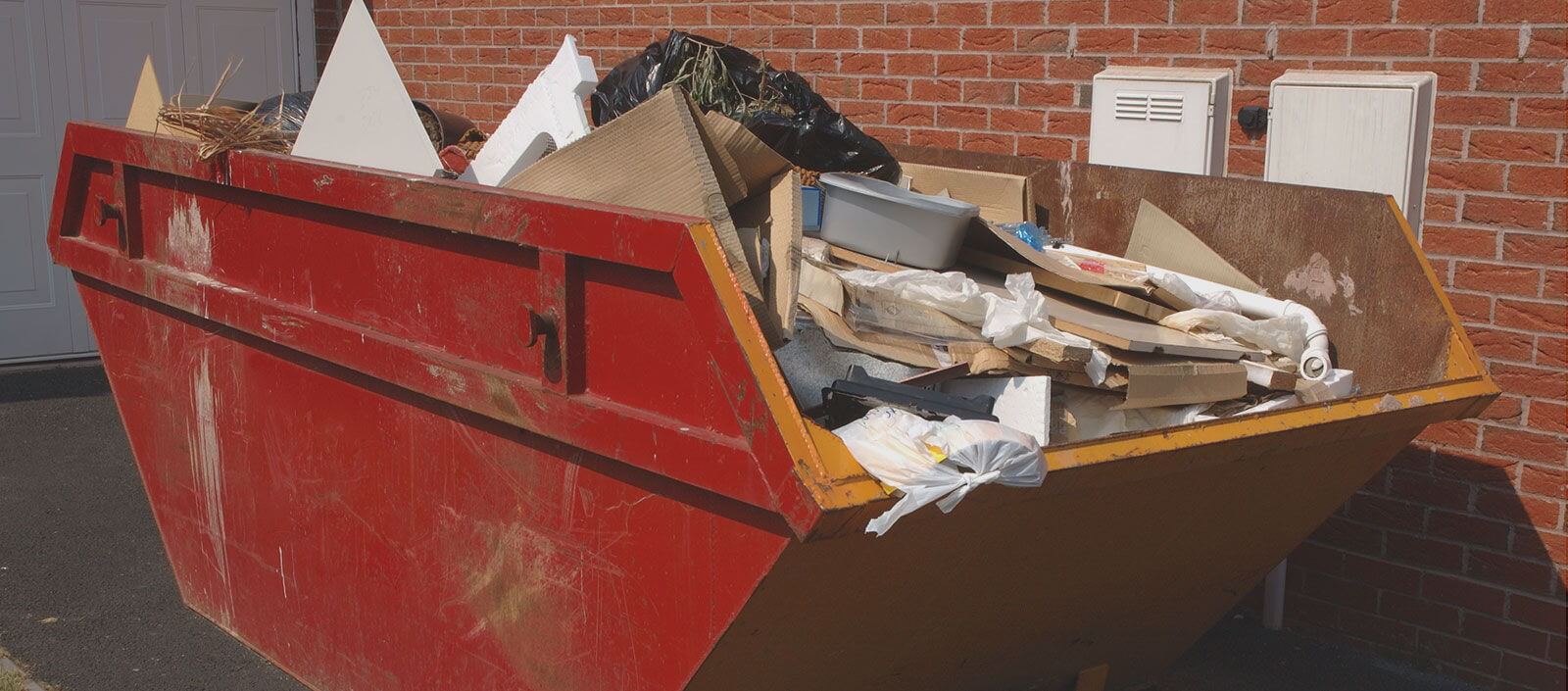
Wightman Road rubbish pickup access issues Finsbury Park
Posted on 07/10/2026
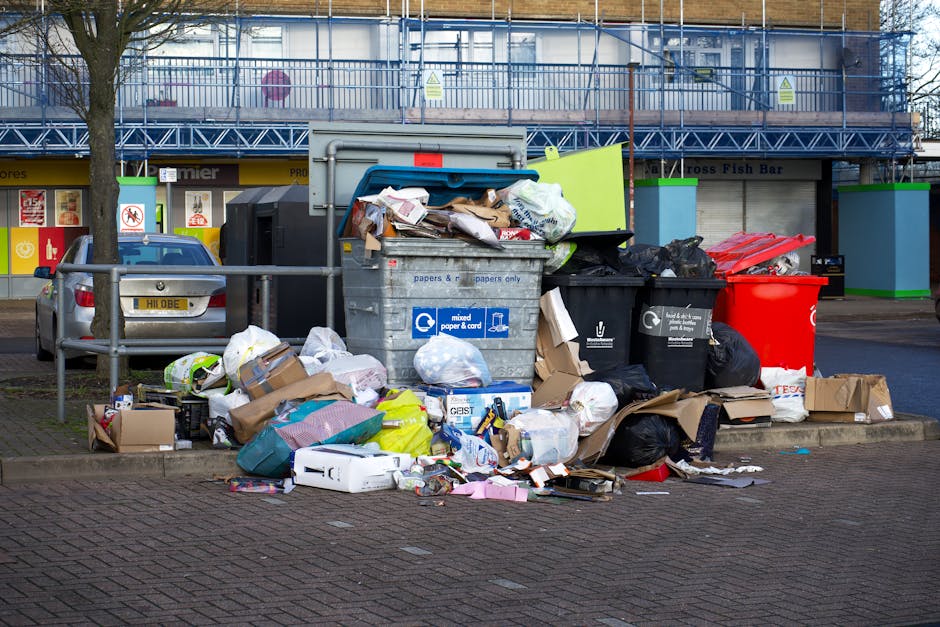
Wightman Road rubbish pickup access issues Finsbury Park: a practical guide to getting waste collected without the stress
If you are dealing with Wightman Road rubbish pickup access issues Finsbury Park, you already know the problem is rarely just "where do I put the rubbish?". It is often about narrow access, parked cars, awkward timings, shared entrances, or a collection point that looked fine in daylight and then turned into a no-go zone by the time a crew arrived. Annoying? Absolutely. Fixable? Usually, yes.
This guide breaks down what those access issues actually mean, why they matter, and how to deal with them in a way that saves time, reduces missed collections, and keeps everyone on the same page. Whether you are managing a home clear-out, a landlord turnover, a business premises, or simply trying to get a one-off collection sorted, the basics are the same: plan access carefully, communicate clearly, and choose the right collection method for the street conditions.
Let's face it, on a busy London road a small detail can cause a big delay. A skipped pickup can leave bags in the way, create complaints from neighbours, and make the whole job feel harder than it should. The good news is that there are straightforward ways to avoid that.
- Why access issues on Wightman Road matter
- How rubbish pickup access works in practice
- Benefits of getting the access plan right
- Who this is for
- Step-by-step guidance
- Expert tips for smoother collections
- Common mistakes to avoid
- Tools, resources and recommendations
- Law, compliance and best practice
- Options and comparisons
- Real-world example
- Practical checklist
- Conclusion
- Frequently asked questions
Why Wightman Road rubbish pickup access issues Finsbury Park Matters
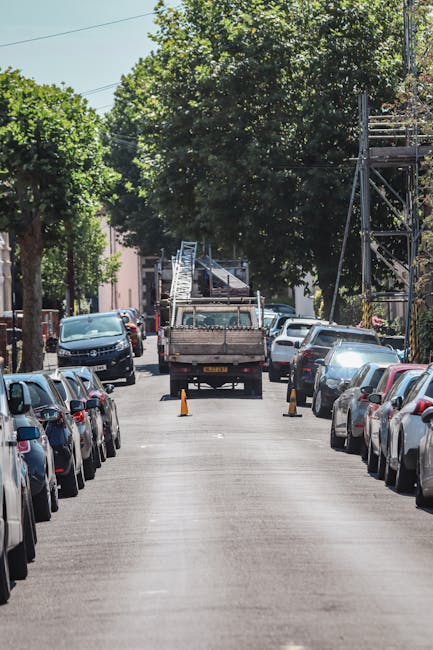
Access problems sound minor until they start affecting the whole collection. On a road like Wightman Road, even a short section of blocked kerb space or a tight frontage can make it difficult for crews to load waste safely and efficiently. If a vehicle cannot stop close enough, or if bags and items are not ready at the agreed point, the collection may take longer, become more expensive, or simply have to be rescheduled.
That matters for a few reasons. First, rubbish left waiting outside can attract complaints, especially where footfall is high and residents are already sensitive to clutter. Second, a delayed collection can disrupt move-outs, refurbishments, retail operations, or end-of-lease handovers. Third, if waste is not presented properly, the crew may not be able to take everything in one visit, which is frustrating and, frankly, a bit of a headache nobody needs.
In Finsbury Park, the mix of residential streets, shared buildings, older properties, and busier traffic patterns means access planning matters more than people expect. You do not always need a major logistics plan. But you do need a sensible one.
Expert summary: If access is tight, the collection is only as smooth as the preparation. Good instructions, realistic timing, and a clear loading point usually solve more problems than "we'll just see on the day".
There is also a neighbourly angle. People notice when bins, bags, or bulky waste are left in the wrong place. A well-managed pickup keeps pavements clearer and reduces the chance of unpleasant knock-on effects. Small thing, big difference.
How Wightman Road rubbish pickup access issues Finsbury Park Works
When people talk about rubbish pickup access issues, they are usually referring to one of three things: how the vehicle reaches the property, where the waste is placed for loading, and whether the crew can complete the collection safely within the available space and time.
The process is simple on paper but less simple in real life. A collection team typically needs to know:
- the exact collection address and any access restrictions
- whether the waste is in a front garden, rear yard, basement, upstairs flat, or communal area
- how far the waste needs to be carried
- if there are parking constraints or permit issues nearby
- whether there are stairs, tight gates, locked doors, or shared hallways
- what type of waste is involved, because bulky items need different handling from bagged rubbish
On streets like Wightman Road, a collection can be affected by morning traffic, parked vehicles, narrow loading space, or entrances that are hard to see from the road. If the crew cannot get close enough, they may need to walk the waste further, which is slower and can change the whole job shape. To be fair, that is not unusual in London. It is just something that has to be built into the plan.
What does "good access" actually look like? Usually, it means the crew can find the property quickly, reach the waste without unsafe lifting or excessive carrying, and leave without blocking neighbours or traffic. If any of those pieces are missing, friction follows.
One useful way to think about it: the collection is not only about disposal. It is a small operation. And like most operations, it works best when the route, timing, and handoff point are all clear.
Key Benefits and Practical Advantages
Getting access right does more than save a few minutes. It changes the whole feel of the job. Suddenly the collection is calmer, cleaner, and easier to manage. That sounds simple, because it is simple, but people underestimate it all the time.
Here are the practical advantages:
- Fewer missed collections: Clear instructions reduce the chance of a crew arriving and finding waste in the wrong place.
- Safer handling: A short, direct route lowers the risk of trips, strained lifting, and awkward carrying.
- Better punctuality: Crews spend less time searching for access points or waiting for someone to open gates and doors.
- Less disruption: Neighbours, tenants, and passing pedestrians are less likely to be affected.
- More accurate quoting: When access is described properly, the job can be priced and planned more realistically.
- Cleaner site handover: This is particularly useful for move-outs, refurbishments, and property sales.
There is also a less obvious benefit: confidence. When you know the access arrangement is sorted, the rest of the day gets easier. You are not standing by the window wondering whether the team can find the back gate, or whether the bags have been left too far from the vehicle. That peace of mind is worth a lot, honestly.
For landlords and managing agents, a tidy waste plan can also help avoid complaints around shared entrances and communal spaces. For businesses, it can keep service yards and frontages presentable. And for households, it can make a one-off clear-out feel much less chaotic.
Who This Is For and When It Makes Sense
This topic is relevant to anyone arranging waste removal where access is not straightforward. In Finsbury Park, that often includes converted flats, terraced properties, shared stairwells, mews-style access, and busy roadside locations where parking is limited. Wightman Road has its own rhythm, and the practicalities change from one property to the next.
You will most likely need this kind of planning if you are:
- a homeowner clearing out bulky rubbish or garden waste
- a tenant moving out and trying to leave the property in good order
- a landlord preparing a property between lets
- a managing agent overseeing a shared building
- a shop, office, or hospitality operator dealing with general waste or stockroom clutter
- a contractor removing builders' waste after minor works or a refurbishment
It also makes sense if you have already had one failed or delayed collection. That is usually the moment people realise the access note mattered more than they expected. Been there, seen that. A missing gate code or an unmentioned basement stair can turn a quick pickup into a much longer day.
If your waste is easy to reach and the vehicle can stop close by, you may not need much more than a standard booking. But once there are stairs, tight entrances, limited parking, or shared access, it pays to slow down and map the job properly.
Step-by-Step Guidance
If you want to avoid unnecessary delays, use a simple process. Nothing fancy. Just a clear, practical sequence.
1. Identify the exact access route
Start with the real route the collection team will use. Front door? Side return? Rear alley? Basement stairwell? Do not assume the obvious way is the usable way. In older properties, the front entrance might be easy to reach but useless for bulky waste, while the back route could be shorter but locked.
2. Measure the carry distance in rough terms
You do not need a tape measure for everything, but you do need a realistic idea of how far waste has to be carried. "A few steps" and "down the hall, through the courtyard, and around the corner" are very different jobs. That detail changes the crew's timing and sometimes the quote.
3. Note any obstacles
List gates, narrow corridors, low ceilings, stairs, steep steps, parked cars, loading restrictions, and communal entry systems. If there is a time-specific problem, say so. Morning school traffic, for example, can make a road feel twice as tight as it did at lunchtime. Small things, but they matter.
4. Separate the waste by type where possible
Put garden waste, furniture, household rubbish, white goods, and construction debris into clear groups where practical. It helps the crew understand what they are dealing with and reduces confusion on the day. You do not need military precision here. Just enough order to keep things moving.
5. Make the handoff point obvious
If waste is not being collected from the kerb, make sure the loading point is unmistakable. Label it in your head and in your instructions. A crew should not have to guess whether the bags are for the front gate, the courtyard, or the side path.
6. Give access details early
The best time to mention the awkward bit is before collection day. If a code, keyholder, concierge, or neighbour is needed, say so early. Waiting until the van is outside is where the delays begin.
7. Confirm timing and parking realities
Ask yourself: where can a vehicle reasonably stop? Is there enough room to load safely? Are there local restrictions that could affect the stop? On a busy London street, a collection often succeeds or fails on parking more than anything else.
8. Leave a clear path on the day
Even a brilliant plan can be undone by a recycling box, a pram, a bike, or a stack of items left in the route. Keep the path open. It sounds obvious, but that one small action saves a lot of hassle.
Expert Tips for Better Results
A good collection is usually the result of a few sensible habits rather than one big trick. Here are the things that make a real difference.
- Photograph the access point. A quick photo of the gate, entrance, or loading spot can explain the layout far better than a long message.
- Use plain language. "Rear courtyard via side passage" is clearer than "easy access". What does easy even mean, really?
- Flag anything unusual. Low branches, a steep step, a locked bin store, or a tight turn may seem minor, but they can alter the job.
- Book with the route in mind. If access is very tight, choose a service that is comfortable with manual carrying and awkward entry points.
- Prepare waste before the crew arrives. Do not leave sorting until the last minute. It creates avoidable delays.
- Keep a contact nearby. If the crew needs clarification, someone should be reachable. Standing outside in the cold trying to ring three people is not ideal.
One thing we see often: people describe the waste in detail but give almost nothing about access. Yet access is what determines whether the work is quick or frustrating. The reverse can be true as well. A property may have difficult access but be simple to manage if the instructions are good. So yes, the notes matter. Quite a lot.
And if you are arranging collection for a block, shop, or rental property, it helps to keep the access instructions somewhere reusable. The same gate code, same courtyard layout, same parking pinch point. Save it once, thank yourself later.
Common Mistakes to Avoid
Most access problems come from a short list of predictable mistakes. The upside is that once you know them, they are easy enough to avoid.
- Assuming the crew will "work it out". They often can, but you should never rely on guesswork for route planning.
- Not mentioning parking restrictions. A van might arrive on time and still be unable to load efficiently.
- Leaving waste behind locked doors. If the collection point is inside, the access must be arranged before the vehicle arrives.
- Underestimating the carry distance. A long carry can change the pace of the whole job.
- Mixing waste types without warning. That can slow sorting and may affect what is collected.
- Forgetting about neighbours or shared access. In communal buildings, one blocked hallway can upset the entire schedule.
- Waiting until the day of collection to mention a problem. By then, options are limited.
Another subtle mistake is using vague language like "there is access at the back" when the back is only accessible through a locked side gate and a narrow alley. That is not really access in the practical sense. It is more of a hopeful statement. Truth be told, hopeful statements do not help much on collection day.
If you want smoother outcomes, be blunt and specific. It is kinder to everyone involved.
Tools, Resources and Recommendations
You do not need specialist software to manage access issues, but a few simple tools help a lot.
- Phone photos: Capture the entrance, gate, parking space, and route to the waste.
- Basic site notes: Write down codes, contact names, and any recurring access limits.
- Building plans or rough sketches: Even a hand-drawn layout can be helpful if the property is awkward.
- Clear labels: If several piles are involved, label them by area or waste type.
- Simple timing plan: A small schedule for when to move items outside can avoid bottlenecks.
If you want to explore related services that may suit different access conditions, it can help to compare options such as domestic waste collection in Finsbury Park, furniture removal in Finsbury Park, and house clearance in Finsbury Park. Different jobs suit different layouts, and the access challenge is often what separates them.
For larger jobs, especially where there are mixed materials or heavier items, you may also want to look at builders waste disposal in Finsbury Park or office clearance in Finsbury Park. These are often better suited when the site needs a more structured approach.
If you are comparing overall scope rather than a single job type, the broader services overview and rubbish collection in Finsbury Park pages can help you see how access, volume, and item type affect the likely solution.
Law, Compliance, Standards, or Best Practice
For waste collection in the UK, compliance is not just a box-ticking exercise. It protects you, the crew, and the environment. That matters especially when access issues make a job feel more complex, because complexity is where mistakes tend to creep in.
In practice, the key points are simple:
- Waste should be handled by a legitimate operator.
- Transfer and disposal should follow proper duty-of-care principles.
- Restricted access should not lead to unsafe manual handling.
- Waste should not be left in a way that creates hazards, nuisance, or obstruction.
If you are hiring a collection service, it is sensible to check that they are set up responsibly and can explain how they manage compliance. A good starting point is the company's waste carrier licence and compliance information, alongside insurance and safety details. That is not about being fussy. It is about avoiding unpleasant surprises.
Best practice also means giving honest access details. If a route is awkward, say so. If the waste must come through a communal hall, say so. If parking is limited to a short loading window, say so. The more accurate the picture, the safer and smoother the work becomes.
And yes, safety matters even for routine rubbish pickup. A tight staircase, wet pavement, or poor lighting can turn a small job into an awkward one fast, especially in the darker evenings when visibility drops. No drama needed, just sensible preparation.
Options, Methods, or Comparison Table
Not every access issue needs the same fix. Some jobs are best handled with a kerbside set-out. Others work better as a carry-out from inside the property. And in some cases, a more complete clearance service is the least stressful route.
| Approach | Best for | Pros | Trade-offs |
|---|---|---|---|
| Kerbside or front-facing set-out | Properties with straightforward access and enough pavement/stop space | Fast, simple, easy to coordinate | Depends on parking and timing; not suitable for every building |
| Manual carry from inside or rear access | Flats, courtyards, side passages, and homes with no front loading space | Flexible and often practical in tight streets | Slower, more dependent on clear routes and good instructions |
| Full clearance service | Large volumes, mixed waste, move-outs, or awkward layouts | Better for bigger jobs and more complex access | May require more planning and a larger team |
There is no universal best option. It depends on the site. A small flat on a tight road may need a very different approach from a ground-floor house with a side passage. The right choice is the one that fits the access, not the one that sounds simplest on paper.
If you are also dealing with items like fridges, sofas, or old office furniture, it may be worth comparing specific services such as white goods and appliance disposal and furniture disposal. Different items change how easy the route needs to be.
Case Study or Real-World Example
Here is a typical scenario. A resident near Wightman Road is clearing out a flat after a tenancy ends. The waste itself is manageable: a few bags, an old wardrobe, some broken shelving, and a couple of small boxes. Nothing extreme. But the property sits behind a shared entrance, and there is a narrow passage to the rear yard. On top of that, the road outside is busy by mid-morning.
The first time around, the collection is delayed because the crew is not told that the rear gate code changes weekly and the furniture is still inside the flat. The items have to be moved at the last minute, the hallway gets crowded, and the collection runs longer than expected. Not a disaster, but not great either.
The second time, the instructions are better. The resident sends photos of the entrance, confirms the gate code, sets the waste in one clear area by the back exit, and gives the likely parking window in advance. The collection is smoother, quieter, and done without the same back-and-forth. Same street, same property, very different outcome.
That is the real lesson: access details do not have to be perfect. They just have to be honest, usable, and early. Once that happens, the job usually feels much easier.
Practical Checklist
Use this before collection day. It takes five minutes and can save far more than that.
- Confirm the collection address and exact entrance point.
- Check whether the waste will be inside, outside, front-facing, or at the rear.
- Note stairs, narrow passages, gates, codes, and locked doors.
- Work out whether a vehicle can stop nearby for loading.
- Separate waste types where possible.
- Remove obstacles from the carry route.
- Share any time restrictions or neighbour sensitivities.
- Keep a contact available on the day.
- Prepare for the waste to be moved quickly once the crew arrives.
- Double-check whether bulky items need extra handling.
If you can tick those off, you are already ahead of the curve. It is not glamorous work, admittedly, but it is the kind of preparation that makes everything else easier.
Conclusion
Wightman Road rubbish pickup access issues in Finsbury Park are usually less about the waste itself and more about the practical realities of getting to it. Tight streets, shared entrances, awkward parking, and unclear handoff points can all slow things down. The solution is rarely complicated: define the route, explain the access, prepare the waste, and keep the instructions simple and honest.
That approach saves time, reduces stress, and helps the collection go the way it should. Whether you are arranging a one-off clear-out or managing waste for a property or business, getting access right is one of those small decisions that pays off immediately.
And if the street feels a bit too tight on the day, do not panic. Clear communication and a realistic plan usually get things back on track.
Get a free quote today and see how much you can save.
Sometimes the difference between a messy collection and a smooth one is just a few good details given at the right time. That is the bit worth keeping hold of.