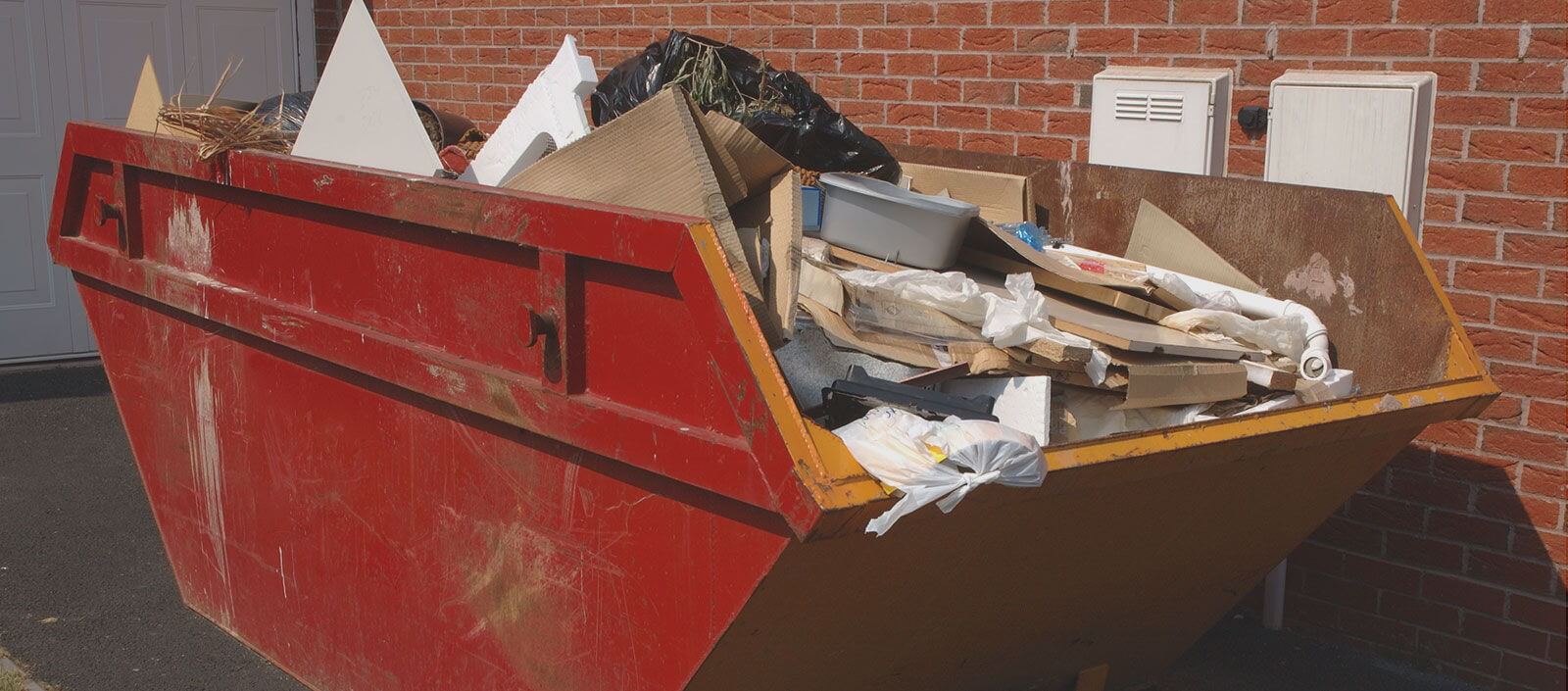
Seven Sisters Road waste removal tips for Finsbury Park homes
Posted on 18/06/2026
If you live near Seven Sisters Road, waste removal can feel oddly complicated for something so ordinary. One week it is a flat clearance after a move, the next it is a broken wardrobe, garden clippings, or a pile of boxes that appeared out of nowhere after a delivery spree. The streets are busy, parking can be tight, and the difference between a smooth collection and a stressful one is often just a bit of planning. These Seven Sisters Road waste removal tips for Finsbury Park homes are here to make the process easier, safer, and far more efficient.
In this guide, you will find practical advice on how local rubbish collection works, how to sort items properly, how to avoid common mistakes, and when it makes sense to use a professional service such as waste removal in Finsbury Park. We will also cover compliance, recycling, and the small day-to-day realities that matter on a road like Seven Sisters Road. Truth be told, a little structure saves a lot of hassle.
Why Seven Sisters Road waste removal tips for Finsbury Park homes Matters
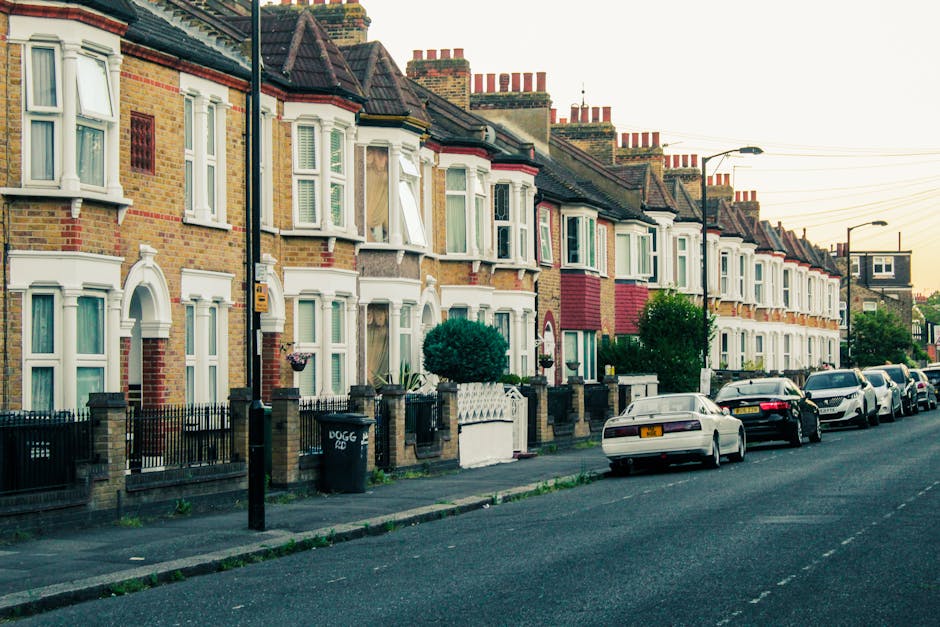
Seven Sisters Road sits in a part of London where housing types, routines, and waste patterns vary a lot. You have mansion blocks, terraces, smaller flats, maisonettes, rental properties, and homes with limited outdoor storage. That mix matters. It changes how rubbish is stored, how quickly it builds up, and how easy it is to get it out without blocking hallways, pavements, or shared entrances.
Waste removal is not just about getting rid of stuff. It is about keeping a home liveable and a building calm. No one wants bags sitting in the corridor for three days, especially in a busy shared block where smells, flies, and clutter become everyone's problem. If you have ever carried a mattress downstairs at 8:00 on a rainy morning, you already know the feeling.
Good waste habits also reduce the risk of damage. Heavy items dragged through tight stairwells can scratch walls, dent banisters, and create avoidable tension with neighbours. And on a road as active as Seven Sisters Road, timing matters too. A missed lift window or poor parking plan can turn a simple pickup into a whole afternoon lost.
There is a wider point as well. Better sorting and disposal usually means more recycling, less contamination, and less waste ending up where it should not. If you care about that side of things, it is worth looking at the recycling and sustainability approach before booking any collection.
How Seven Sisters Road waste removal tips for Finsbury Park homes Works
The basics are straightforward, though the details are where people often trip up. In a typical home, waste removal starts with identifying what you need to clear, then separating items by type, then choosing the right method for collection and disposal. That could mean a council-approved route, a private collection, a man-and-van style pickup, or a full property clearance depending on the job size.
For homes near Seven Sisters Road, access is often the main challenge. Some properties have narrow front paths, controlled parking, basement access, or shared door codes. Others are easier from the street but still require you to think about lift access, loading time, and neighbours using the same entrance. Small thing? Maybe. But it changes everything.
A sensible process usually looks like this:
- Work out what is being removed and how much space it takes up.
- Separate general rubbish, reusable items, recyclables, and specialist waste.
- Check whether any items need special handling, like fridges, paint, or electricals.
- Decide whether you can move items safely yourself or need help.
- Arrange collection with enough notice to avoid last-minute parking chaos.
- Make sure the waste goes to a lawful, traceable destination.
For larger jobs, a professional service can save time and reduce stress. If you are clearing furniture, appliance waste, or a full room's worth of clutter, you may want to explore the available waste removal services so you can match the service to the job, rather than forcing the job to fit an unsuitable service. That sounds obvious, but people do it all the time.
Key Benefits and Practical Advantages
Done properly, waste removal gives you more than a tidy room. It creates room to breathe, literally. The visual difference after removing a sofa, broken desk, or stack of old packaging is often immediate. You notice the floor again. You notice the light. You stop stepping around the same awkward pile every day.
Here are the practical advantages that matter most for Finsbury Park homes near Seven Sisters Road:
- Better space use: Flats feel bigger when you clear out dead weight.
- Safer movement: Less clutter means fewer trip hazards in hallways, kitchens, and stairwells.
- Cleaner shared areas: In blocks and converted houses, proper removal keeps entrances and bin stores more orderly.
- Faster moving or refurb projects: Removal before decorating or handover saves time later.
- Lower stress: There is a lot to be said for not having one more thing nagging at you.
There is also a cost-control angle. If you prepare waste well, you often need fewer collections or a smaller vehicle load. That can make a noticeable difference, especially for a one-off clear-out. If you want to check how pricing is normally approached, it is worth reading about pricing and quotes before you book anything.
A good waste plan can also improve relationships in shared buildings. Let's face it, no one enjoys being the person who left a mountain of cardboard in the entrance hall. A tidy, timed removal is just better neighbour etiquette.
Who This Is For and When It Makes Sense
These tips are useful for anyone living near Seven Sisters Road, but they are especially relevant if you are dealing with one of the situations below.
- Flat residents: Especially if there is limited storage or no lift.
- Families: School gear, broken furniture, and bulky household waste can build up quickly.
- Renters at the end of a tenancy: A quick clear-out helps avoid leaving items behind.
- Homeowners preparing to sell: Clean, uncluttered rooms show better. It is that simple.
- Landlords and letting agents: Turnaround speed matters between tenancies.
- People renovating or decorating: Old fixtures, packaging, and offcuts pile up fast.
- Anyone with bulky items: Sofas, wardrobes, mattresses, white goods, and the like.
If you are thinking about a bigger property project, it may help to read more broadly about buying real estate in Finsbury Park or the housing market in Finsbury Park. Waste removal often becomes part of moving, refurbishing, or preparing a property, so the timing ties in more than people expect.
In our experience, the job makes the most sense when waste is starting to affect your routines. Maybe the spare room has become a storage cave. Maybe the balcony is full of broken planters and old paint pots. Maybe you have two wardrobes and neither closes properly because of the bags in the way. That is the point where action beats "I'll sort it next weekend."
Step-by-Step Guidance
Here is a practical way to handle waste removal without overcomplicating it.
1. Walk through the property and decide what stays
Be strict, but not reckless. Keep the items you actually use or genuinely need. Everything else gets sorted into remove, donate, recycle, or check later. A quick room-by-room scan is usually better than trying to do it all in one emotional sweep. The emotional sweep tends to end with, "Actually, maybe I should keep this rusty chair."
2. Separate waste by category
Group items by material and handling type. For example:
- general household rubbish
- cardboard and packaging
- furniture
- white goods and appliances
- garden waste
- construction or builders' waste
- anything sharp, heavy, or awkward
Sorting early helps avoid contamination and makes collection faster. It also means recyclable material is less likely to get mixed in with general waste.
3. Measure bulky items before collection day
A sofa that looks manageable in the lounge can be surprisingly awkward at the front door. Measure doorways, stair turns, lifts, and any narrow landings. If you know the item will not pass through easily, plan for two people or professional help. Saves bruised knuckles and a fair bit of swearing.
4. Protect shared areas
Use blankets, cardboard, or wrapping where needed so walls and floors do not get scratched. If you live in a converted house or an older block, stair edges and corners can chip easily. Protection takes minutes and prevents awkward conversations later.
5. Plan the timing
Try to avoid rush hours if items need to be brought to the kerb. Early morning or a quieter midday slot is often easier than trying to do it when everyone else is leaving home. If you are arranging a wider clearance, build in a buffer. A collection that should take 20 minutes can stretch if parking is awkward or items are nested together.
6. Make access simple
Clear the path, unlock gates if needed, and let neighbours know if there will be brief obstruction. If there is a concierge, porter, or shared entry code, have it ready. Little things, yes, but they make the day much smoother.
7. Confirm disposal is responsible
Not every collection works the same way. Ask where the waste will go, what gets recycled, and how specialist items are handled. For larger or recurring jobs, it is worth using a provider that can explain its licence and compliance in plain English.
Expert Tips for Better Results
Some of the best waste removal outcomes come from tiny decisions. Seriously. A few practical habits can make the whole thing feel less like a chore and more like a controlled reset.
- Break projects into batches: Clear one room, one cupboard, or one category at a time.
- Keep one "maybe" box: This stops indecision from stalling the whole process.
- Use the 12-month rule: If you have not used it in a year and it has no real value, question whether it belongs in the home.
- Photograph bulky items before moving them: Handy for insurance, quotes, or just keeping track of what is leaving.
- Check item condition early: Some damaged items are not worth storing while you think about them.
- Watch the weather: Wet cardboard, soggy textiles, and slippery paths are not worth the risk.
If you are dealing with furniture, use a service that handles it properly rather than trying to force a one-size-fits-all rubbish pickup. For larger sofa sets, wardrobes, or mixed furniture loads, furniture removal in Finsbury Park can be a more sensible option than general collection alone.
And if you are clearing a property after tenants move out or before a sale, consider whether a broader house clearance service would save time. Sometimes it does. Sometimes it really, really does.
Common Mistakes to Avoid
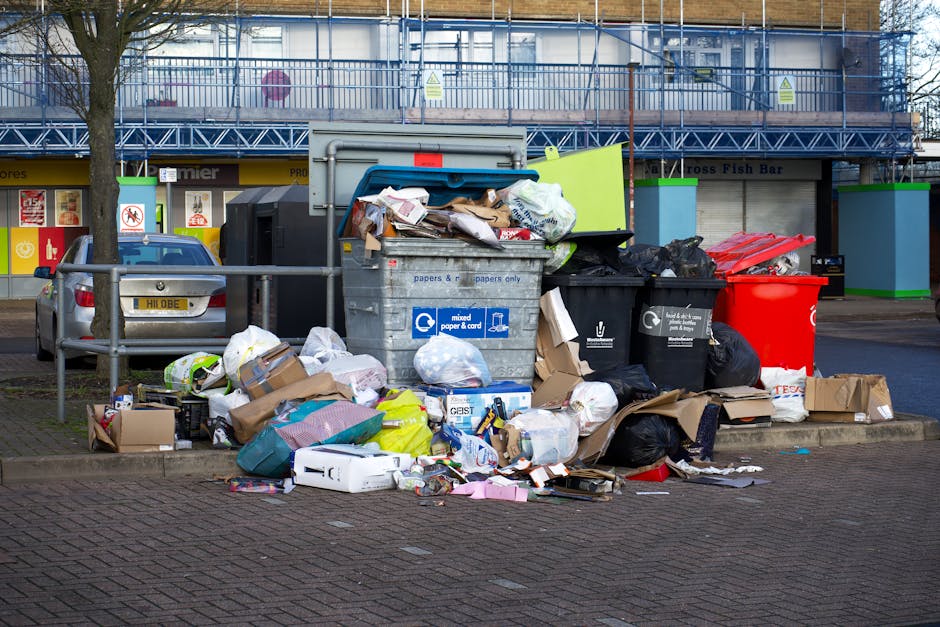
Most waste removal problems are preventable. The same mistakes crop up again and again, especially in busy homes where people are trying to do too much too fast.
- Leaving sorting until collection day: This usually leads to rushed decisions and mixed waste.
- Ignoring access issues: Narrow staircases, parking restrictions, and locked doors can stall the job.
- Mixing recyclables with general rubbish: Once contamination happens, it is harder to recover the materials.
- Underestimating weight: Old books, wet soil, and appliances are heavier than they look.
- Forgetting special items: Fridges, freezers, and some electricals need careful handling.
- Booking too late: If you have a move-out date or builder arrival, last-minute planning is asking for trouble.
One quiet but costly mistake is assuming all waste can be handled the same way. It cannot. A broken dining table, a sack of garden cuttings, and a fridge freezer are not the same job. Different load, different disposal route, different effort.
Another one: not checking whether the provider is set up for the type of waste you actually have. If it is appliance-heavy, a service aimed at general rubbish may not be the best fit. If it is a bigger domestic clear-out, there may be a better match among domestic waste collection options or more specialised services.
Tools, Resources and Recommendations
You do not need a full toolkit to manage waste removal well, but a few basic items help more than people think.
- Heavy-duty bags: Useful for mixed household waste and lighter bulky fill.
- Marker pens and labels: Make it obvious what is for disposal, donation, or keep.
- Workbench gloves: A simple safeguard for sharp edges and rough surfaces.
- Tape measure: Essential for furniture and awkward items.
- Dust sheets or old blankets: Good for protecting floors and communal areas.
- Reusable crates or boxes: Better than overstuffing flimsy bags.
For service-led support, it helps to choose a provider with a clear service list and a sensible approach to different waste streams. You can compare what fits best by reviewing rubbish collection in Finsbury Park, furniture disposal, or white goods and appliance disposal depending on the job in front of you.
If your waste includes garden cuttings, soil, or plant material from a small outdoor space, a dedicated garden waste removal service can be cleaner and simpler than trying to bundle it into a general load. That matters more in flat living, where storage is limited and mess spreads fast.
Law, Compliance, Standards, or Best Practice
Waste removal is one of those everyday tasks that still carries responsibility. In the UK, the basic expectation is that waste should be handled by a legitimate carrier and taken to an authorised destination. You do not need to be an expert in waste law to do the right thing, but you do need to avoid handing rubbish to someone who cannot explain where it is going.
Best practice is simple enough:
- use a carrier that can explain its credentials clearly
- keep records or receipts for larger jobs where appropriate
- separate hazardous or specialist waste from general rubbish
- do not leave waste in communal areas for long periods
- handle electrical items, fridges, and other specialist waste carefully
It is also wise to understand the safety side. Lifting injuries are common enough when people move heavy items without thinking. So are cuts from broken edges, nails, or old hardware. A responsible provider should put practical safety first, not just the speed of the collection. If you want a clearer sense of what that looks like, the page on insurance and safety is a useful place to start.
For homes in shared buildings, best practice also includes common sense around access, noise, and timing. A tidy, brief collection is better for everyone. Not glamorous, but that is local life sometimes.
Options, Methods, or Comparison Table
Different waste situations need different approaches. Here is a simple comparison to help you decide what fits your home and your schedule.
| Method | Best for | Pros | Watch outs |
|---|---|---|---|
| Self-managed disposal | Small bags, light clear-outs, occasional recycling | Low cost, flexible timing | Time-consuming, parking or transport issues, lifting effort |
| General rubbish collection | Mixed household waste and day-to-day clutter | Convenient, quick | May not suit bulky furniture or specialist items |
| Furniture-specific removal | Sofas, wardrobes, tables, beds | Better handling of bulky items, easier loading | Needs accurate sizing and access planning |
| House or loft clearance | Large-scale clear-outs, moves, probate, refurb prep | Comprehensive, less disruption | Needs more planning and likely a bigger budget |
| Specialist appliance disposal | Fridges, freezers, washing machines, other white goods | Safer handling, more appropriate disposal route | Must identify item type clearly in advance |
For many Finsbury Park homes, the decision is less about what sounds cheapest and more about what saves the most effort without creating new mess. If you only have a few bags, keep it simple. If you are facing a full room, don't pretend it is "just a couple of bits." It never is.
Case Study or Real-World Example
Imagine a two-bedroom flat just off Seven Sisters Road. The owners have just finished redecorating, and the spare room is now holding an old bed frame, a broken desk, several flattened boxes, and a washing machine that no longer runs. There is also a little pile of garden waste from the back patio and two bags of general rubbish from the decorating process. Nothing extreme. But enough to feel messy.
Rather than trying to deal with it all on the same day, they sort it into four piles: furniture, appliance, recyclable packaging, and mixed waste. They measure the bed frame and desk, check the lift width, and make sure the front entrance is clear. A small issue appears: the washing machine is heavier than expected, and the corner turn by the stairs is tight. So they do the sensible thing and arrange help for that item instead of forcing it through and risking damage.
The result is not dramatic. No hero music. Just a clean room, a safer stairwell, and a simpler exit for the appliance. The whole process feels calmer because the decisions were made before collection day, not during it. That is usually the difference between a controlled clear-out and a low-key disaster.
If the same flat had been emptying after a tenancy change, they may have needed something broader, like loft clearance or even a more complete property service. The point is to match the method to the mess, not the other way around.
Practical Checklist
Use this before collection day. It keeps things simple.
- Identify every item that needs removing.
- Separate rubbish, recycling, furniture, appliances, and garden waste.
- Check item sizes against doors, stairs, and lift access.
- Clear hallways, entrances, and loading areas.
- Protect floors and shared walls where needed.
- Confirm parking or loading arrangements.
- Keep valuables and personal documents out of the clearance area.
- Ask how specialist items will be handled.
- Use a provider that is clear about compliance and disposal routes.
- Double-check timing so waste is not left sitting overnight.
If you are dealing with a bigger project, it can also help to compare related services like builders waste disposal or office clearance in Finsbury Park when the contents are more complex than standard household rubbish. One size rarely fits all here.
Expert summary: The safest and least stressful way to handle waste removal near Seven Sisters Road is to sort early, measure honestly, protect access routes, and choose the right disposal method for each type of waste. Small preparation goes a long way.
Conclusion
Waste removal around Seven Sisters Road does not need to become a weekend headache. Once you understand what you have, how access works, and which items need special handling, the whole process gets much simpler. That is the real value of these Seven Sisters Road waste removal tips for Finsbury Park homes: they help you stay organised, avoid mistakes, and keep your property feeling calm instead of cluttered.
The best results usually come from a bit of planning, a little honesty about the size of the job, and the decision to get help before things become unmanageable. Nothing fancy. Just practical, steady action. And once the clutter is gone, the room feels different in a way that is hard to explain until you have lived it.
If you are ready to clear space and make the process easier, take a moment to compare your options and choose the service that fits the job properly. Get a free quote today and see how much you can save.
Sometimes the best home improvement is simply getting rid of what no longer belongs there.

 Tipper Van - Rubbish Removal and Basement Clearance Prices in Finsbury Park, N4
 Luton Van - Rubbish Removal and Basement Clearance Prices in Finsbury Park, N4