Finsbury Park station rubbish collection advice for commuters
Posted on 30/06/2026
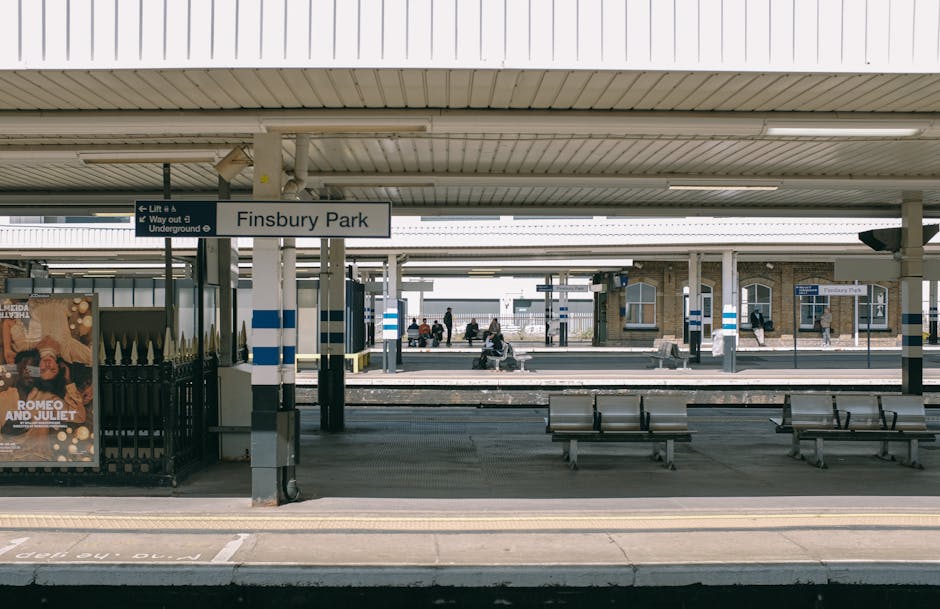
Finsbury Park station rubbish collection advice for commuters: a practical guide to staying tidy, moving fast, and avoiding hassle
Commuting through Finsbury Park station can feel busy before you have even reached the platform. There are fast walks, tight connections, takeaway cups, sandwich wrappers, newspaper bits, and the occasional bag that has split open at exactly the wrong moment. If you are looking for Finsbury Park station rubbish collection advice for commuters, the real goal is simple: keep your journey smooth, keep the area pleasant for everyone else, and avoid the small problems that waste time at the start or end of the day.
This guide brings together practical, local-minded advice for commuters, regular station users, nearby residents, and anyone passing through on foot. You will find a clear explanation of how rubbish collection and responsible disposal work around a busy transport hub, what to do when you are carrying waste, how to avoid nuisance or fines, and when a professional rubbish collection service makes more sense than trying to squeeze everything into a bin bag and hope for the best. Let's face it, nobody wants to drag a wobbly bag across Seven Sisters Road at 8:15 a.m.
- Why this advice matters
- How station-area rubbish collection works
- Benefits for commuters and the local area
- Who needs it and when it helps
- Step-by-step guidance
- Expert tips for better results
- Common mistakes to avoid
- Tools, resources and recommendations
- Law, compliance and best practice
- Options and comparison table
- Real-world example
- Practical checklist
- Conclusion
- Frequently asked questions
Why Finsbury Park station rubbish collection advice for commuters Matters
Finsbury Park station sits in a part of London that moves quickly. Trains, buses, and foot traffic all overlap, which means rubbish is not just an aesthetic issue; it can become a practical one. A dropped coffee lid on a wet pavement is annoying. A full bin left beside a busy entrance is worse. A bag that leaks in a queue? That's the sort of thing nobody forgets.
Good rubbish habits around the station matter for three reasons. First, they help keep walkways clear and safer for everyone. Second, they reduce litter pressure in an area that already handles heavy daily use. Third, they save commuters from avoidable stress. If you have ever been late because you had to re-bag broken waste or search for somewhere to put a bulky item, you already know the pain.
There is also a wider local benefit. Clean station surroundings support the feel of the neighbourhood. That matters in Finsbury Park, where the station connects to homes, shops, cafes, and everyday local life. If you are interested in the area beyond the commute, the broader community context is well worth understanding too, especially through pieces like local life in Finsbury Park and local opinions on living in Finsbury Park.
Practical takeaway: at a busy station, tidy waste habits are not about being fussy. They are about keeping a shared space usable, safe, and less irritating for everyone who passes through.
How Finsbury Park station rubbish collection advice for commuters Works
Strictly speaking, commuters do not usually "collect rubbish" in the same way a household or business does. What most people need is a sensible way to manage, carry, separate, and dispose of small waste while travelling, or to arrange proper collection for items that cannot simply go in a public bin.
The process is usually one of these three:
- Carry and dispose responsibly during the journey. This is for wrappers, bottles, newspapers, receipts, and similar everyday items. If you can keep it in your bag until you reach a suitable bin, that is usually best.
- Use local waste and recycling systems correctly. If waste is from home, a shared flat, or a nearby office, then proper collection or authorised disposal is the right route. That may mean domestic collection, office waste handling, or a one-off clearance.
- Book a removal service for bulky, awkward, or unsafe items. Broken furniture, white goods, heavy bags, or waste left from a move should not be dumped near the station. If you need structured help, services such as rubbish collection in Finsbury Park or broader waste removal support are often the safer, simpler answer.
In day-to-day terms, the advice is about matching the waste to the right route. Small litter stays with you until you can bin it properly. Recyclables should stay clean and separate where possible. Bulkier waste should not be improvised. That is where things go sideways, usually right when you are already rushing.
If you are dealing with waste from a home near the station, a flat on a narrow road, or a business with foot traffic, it is worth looking at the service scope first. The broader services overview can help you understand what kind of collection is suitable before you start moving anything heavy.
Key Benefits and Practical Advantages
When commuters handle rubbish properly around Finsbury Park station, the benefits are immediate, and a bit more practical than people expect.
- Faster travel: no last-minute bin hunt, no awkward detours, no stopping to fix a split bag.
- Less mess: fewer spills on pavements, platforms, and shared entrances.
- Better safety: reduced trip hazards and less clutter near pedestrian routes.
- Lower stress: you are not trying to juggle waste while carrying a coffee, laptop, and backpack.
- Better neighbour relations: people notice when rubbish is left badly. They also notice when it is handled well.
- More sustainable choices: separating recyclable items can make the whole routine a little cleaner and more responsible.
There is a commercial side too. If your day involves a nearby office, shop, salon, cafe, or rental property, regular waste management protects your brand and keeps entrances presentable. For that sort of need, commercial waste removal in Finsbury Park is often more suitable than ad hoc disposal. And if the waste is generated by work moving through the station area, it is better to plan ahead than to improvise at the kerb. Improvising is rarely glamorous. Or tidy.
Who This Is For and When It Makes Sense
This advice is not only for people with obvious rubbish problems. In practice, a lot of commuters benefit from it, even if they do not think of themselves as "waste management" people.
- Daily commuters who regularly buy drinks, lunches, or snacks on the way.
- Flat sharers who are taking out small bags on the way to work and want to avoid overstuffed bins at home.
- Office workers carrying document shredding, packaging, or old desk clutter to a collection point or removal booking.
- Residents near the station who need reliable waste routines around busy footfall.
- Small businesses with take-away packaging, stock waste, cardboard, or customer litter pressure.
- People moving home who need to dispose of items before or after a commute-heavy day.
It makes particular sense when your waste is awkward, time-sensitive, or too much for a standard bin run. If, for example, you have a broken chair waiting beside the door and you are trying to catch a morning train, the practical answer is not to "sort it later" for the third day running. That is how clutter multiplies quietly. Almost annoyingly so.
For households, the right next step may be a domestic service such as domestic waste collection in Finsbury Park. If furniture has become the issue, look at furniture removal or furniture disposal instead of trying to wrestle it through a station entrance.
Step-by-Step Guidance
Here is a simple, workable approach for commuters and nearby residents. Nothing fancy. Just the kind of routine that actually sticks.
- Separate waste before you leave home. Keep recyclables, food waste, and general rubbish apart where possible. Even if you cannot recycle everything on the move, starting with some order helps a lot.
- Use a small carry system. A reusable bag, tote, or backpack pocket works better than loose bits floating around in a coat pocket. Small detail, big payoff.
- Avoid opening packaging on the move unless you have to. If you know a snack is going to leave crumbs or wrappers, wait until you are somewhere suitable to dispose of it.
- Do not overfill bags. Split rubbish between two small bags rather than forcing one bag to hold too much. A stretched carrier bag is one gust of wind away from becoming a problem.
- Check whether the item belongs in normal waste or a booked collection. If it is bulky, sharp, electrical, or heavy, stop and think before moving it again.
- Book collection for anything awkward. If you are carrying old appliances, builders' debris, or office clutter, use a proper service. For example, white goods and appliance disposal is far safer than leaving an item outside or trying to haul it onto a crowded train.
- Time your collection well. If waste is being removed from a flat or office near the station, try to schedule it at a time that does not clash with your commute or the heaviest pedestrian flow.
- Confirm disposal route for the waste type. Garden waste, loft clearances, and office clearances each need different handling. That separation matters more than most people think.
If the job is more than a quick tidy-up, a specialist service may save you a lot of faff. For instance, office clearance in Finsbury Park is a better fit for workspace clutter than general curbside improvisation, while house clearance is the right call for fuller jobs. Choose the route that matches the waste, not just the route that is easiest in the moment.
Expert Tips for Better Results
There are a few small habits that make station-area waste management much easier. None of them are dramatic, but they do add up.
- Carry a spare bag. One extra bag in your backpack can rescue a day when packaging tears or you end up with more waste than expected.
- Keep dry and wet waste separate. A damp coffee cup can ruin paper, cardboard, and the inside of your bag. Not the end of the world, but still annoying.
- Flatten cardboard before travelling. It reduces bulk and keeps you from becoming that person who blocks a doorway with a box edge. We have all seen it happen.
- Take bulky items out early. If you know you need to move something heavy, do not leave it until the busiest morning of the week.
- Choose collections with clear pricing and security. If you are booking waste help, it is worth checking the basics. Transparent costs matter, and so does peace of mind. The site's pricing and quotes information and payment and security guidance are useful starting points.
- Think about recycling before disposal. A lot of commuter waste is recyclable in some form, but only if it stays clean enough. That is the catch.
One small real-world observation: the people who stay calm with rubbish usually are not the most organised people on earth. They just have one or two reliable habits. That's the trick, really.
If sustainability matters to you, it is also worth reading the company's approach to recycling and sustainability. A cleaner process does not have to be complicated, but it does need to be deliberate.
Common Mistakes to Avoid
A lot of station-side waste trouble comes from small, avoidable choices. These are the big ones.
- Leaving bags by entrances or railings. Even if you mean to come back, this creates clutter and can become a safety issue quickly.
- Using public bins for bulky household waste. That is not what they are for, and it usually backfires.
- Mixing food waste with paperwork or recyclables. Once it is contaminated, recycling becomes less useful.
- Trying to carry too much at once. Two trips are better than one unstable trip. Always.
- Ignoring waste carrier checks. If someone is taking your rubbish away, make sure they are properly set up to do so. Responsible operators should be able to show compliance.
- Assuming "it will be fine" for sharp or electrical items. It usually isn't.
For anyone arranging outside help, it is sensible to look at waste carrier licence and compliance. That is one of those boring-but-important details that protects you later. A little dull, yes. Still important.
Another mistake is forgetting that Finsbury Park is a busy mixed-use area. What seems harmless for five minutes can become a nuisance very fast when thousands of people are moving past.
Tools, Resources and Recommendations
You do not need a kit full of special equipment to manage rubbish well as a commuter. A few straightforward tools are enough.
- Reusable tote or backpack: better than relying on flimsy plastic bags.
- Small spare bin liners: useful for food waste, spillages, or separating messy items.
- Fold-flat cardboard strap or tape: handy if you are carrying boxes to a collection point.
- Labelled household bins: especially helpful in shared flats where everyone "sort of" knows where things go.
- A planned removal service: particularly useful for bigger jobs that build up near a station commute.
For larger domestic jobs, you may want to compare a few service types before you choose. A general waste removal booking can suit mixed loads, while builders waste disposal is better for renovation debris. If you are clearing a loft, the right fit is different again, and loft clearance is usually the cleaner answer.
If you want a sense of how the company's wider services fit together, the about us page and the company's policies, including terms and conditions, privacy policy, and cookie policy, can help set expectations before you book. That may sound a bit administrative, but it saves time later.
Law, Compliance, Standards, or Best Practice
For commuters, the biggest compliance point is simple: do not leave waste where it causes obstruction, nuisance, or unsafe conditions. Around a major station, that is more than just bad manners; it can create practical and legal problems, especially if items are left in shared spaces, on pavements, or near entrances.
Best practice in the UK usually means this:
- Keep waste contained and secure until proper disposal.
- Do not dump items in or near public walkways.
- Use a legitimate waste collector for anything beyond normal household rubbish.
- Separate recyclable and non-recyclable items where reasonably possible.
- Be careful with electrical items, sharp materials, and heavy furniture.
If you are arranging collection through a third party, compliance matters because it affects where the waste ends up. Responsible disposal is not just about convenience. It is about making sure the load is handled lawfully and sensibly, not passed along to the next person who happens to be nearby.
That is why clear process pages, carrier compliance information, and straightforward service descriptions are useful. They help you judge whether the service is suitable for your waste type. And if you are dealing with a sensitive or larger clearance, that judgement matters a lot more than the cheapest headline alone.
Options, Methods, or Comparison Table
Different waste situations call for different approaches. Here is a simple comparison to help commuters and nearby residents decide what fits best.
| Option | Best for | Pros | Watch out for |
|---|---|---|---|
| Carry waste until you reach a bin | Wrappers, cups, receipts, small everyday litter | Quick, cheap, simple | Only works for small, dry, sealed waste |
| Domestic waste collection | Household bags, general domestic rubbish | Practical for regular home waste | Not suited to bulky or specialist items |
| Rubbish collection service | Mixed waste, awkward bags, one-off clear-outs | Flexible and time-saving | Check what is included before booking |
| Furniture or appliance disposal | Sofas, chairs, fridges, washing machines | Safer for heavy items, less manual strain | Needs correct handling and access planning |
| Commercial waste removal | Shops, cafes, offices, mixed business waste | Helps keep entrances clean and professional | May need regular scheduling |
In practice, the best choice is the one that matches the waste volume, the item type, and the pace of your day. If you are unsure, a quick check of the service scope is usually enough to point you in the right direction.
Case Study or Real-World Example
Picture a fairly ordinary weekday morning. A commuter leaves a flat near Finsbury Park with a takeaway coffee, a parcel box from an online order, and a rubbish bag that should have gone out the night before. The train is due soon, the pavement is narrow, and the bag feels heavier than it did ten minutes ago. Sound familiar? It happens all the time.
Instead of carrying the bag all the way to the station entrance and hoping for the best, the commuter breaks the problem into parts. The coffee cup stays in a small tote until the first suitable bin. The cardboard box gets flattened at home before travel. The rubbish bag is booked for collection later that day through a proper domestic service, so it is not hanging around near the doorway or being dragged back and forth.
The result is boring in the best possible way: no spill, no delay, no awkward moment trying to balance a leaking bag on a crowded platform. The person gets to work on time. The shared area stays tidier. Neighbours are less irritated. That is what good waste planning actually looks like. Not dramatic. Just calmer.
For more context on local households and everyday living patterns, the article on Seven Sisters Road waste removal tips for Finsbury Park homes gives a useful nearby perspective too.
Practical Checklist
Use this quick checklist before, during, or after your commute if waste is part of the day.
- Have I separated small recyclable items from general rubbish?
- Is anything wet, sharp, heavy, or likely to leak?
- Do I have a spare bag or container if something spills?
- Is this item suitable for a public bin, or does it need booked collection?
- Am I carrying more than I can safely manage on foot or on the train?
- Have I checked whether a specialist service is better for furniture, appliances, or office waste?
- Will leaving this near the station create clutter, obstruction, or a nuisance?
- Do I know the collection time and access plan if a service is booked?
- Have I chosen a compliant, clear, and sensible disposal route?
If you can tick most of these off, you are in good shape. If not, pause and make the plan a bit simpler. That is usually the smartest move.
Get a free quote today and see how much you can save.
Conclusion
Good rubbish handling around Finsbury Park station is one of those everyday habits that quietly improves everything around it. It keeps your commute smoother, reduces stress, avoids awkward spills, and helps a busy local area stay usable for everyone. The trick is not perfection. The trick is having a simple routine that fits real life.
Whether you are carrying a coffee cup home, sorting waste from a flat, or arranging a larger collection for furniture, appliances, or office clutter, the right choice is usually the one that is safe, compliant, and easy to stick with. If your rubbish is small, keep it contained until you can dispose of it properly. If it is bulky or awkward, get it collected properly. Simple enough, really.
And if your day already feels full, one less waste-related headache can make a bigger difference than you might expect. Sometimes that small bit of order is what gets the morning moving again.