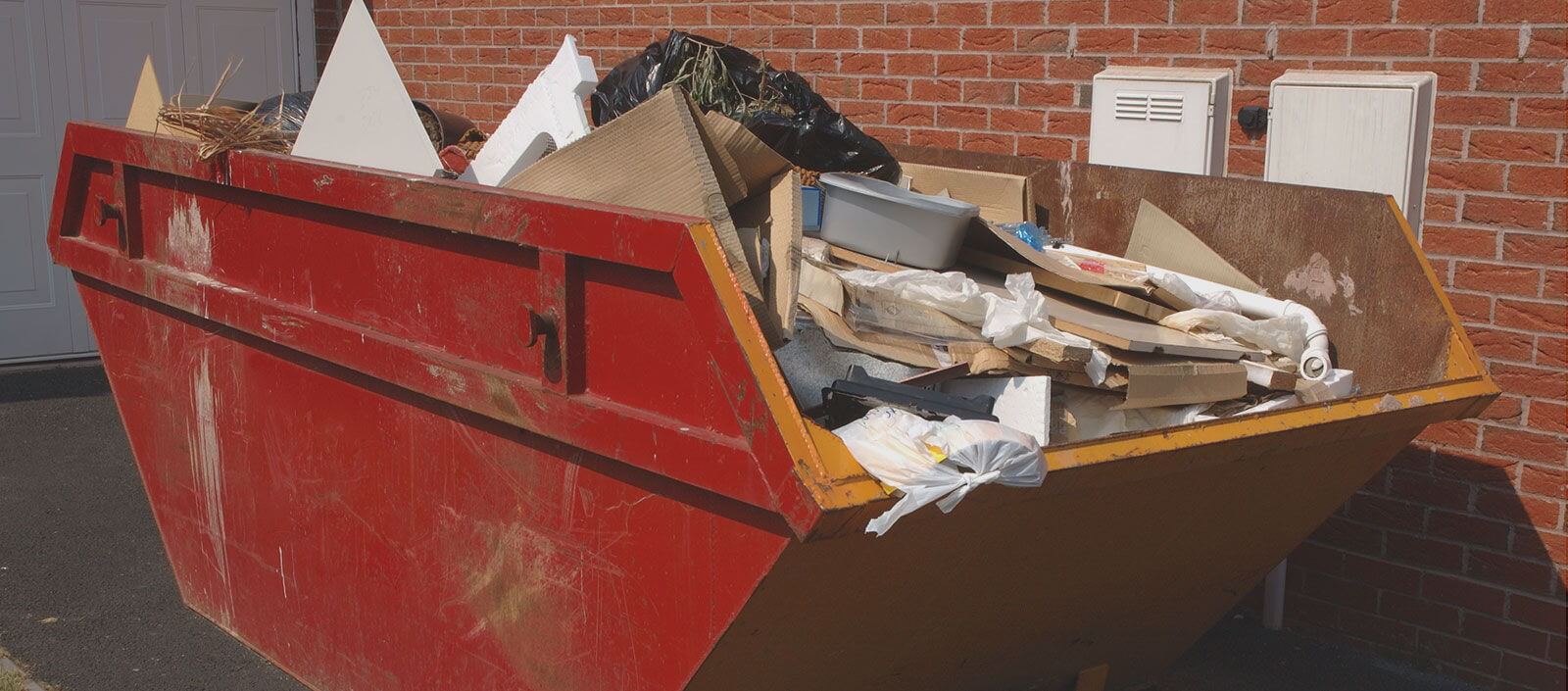
Waste Removal in Finsbury Park for Homes, Landlords and Businesses
Waste Removal Finsbury Park provides practical rubbish removal for properties, workplaces and shared spaces in and around Finsbury Park. The service is built around collecting unwanted items, separating suitable materials for recovery where possible, and removing the remainder in a straightforward way. If you need a one-off clearance or a planned collection, the aim is to make the process easier to organise and easier to understand.
The main service page is a sensible starting point for anyone comparing waste removal options, because it gives a clear view of the kinds of loads commonly handled and the other support pages available. You can also review the services overview to see how the different collections are grouped, from bulk household items through to trade and office clearances. For cost planning, the pricing and quotes page is useful when you want to understand how enquiries are assessed before you request a quotation.
For many customers, the most helpful approach is to match the waste type to the right collection page before sending an enquiry. That keeps the request focused and helps you explain what needs removing, how much there is, and whether the items are loose, bagged or already gathered. If you are ready to go ahead, you can make a direct enquiry through our contact page.
Household Waste and General Rubbish Collections
Domestic collections are often the simplest way to clear everyday clutter, bagged rubbish, mixed household items and similar loads that no longer need to stay on site. Our domestic waste collection in Finsbury Park page covers the type of work suited to homes, flats and shared entrances where a tidy and organised uplift is more practical than handling items in stages. It is especially useful when the waste is not a single bulky item but a broader mix of refuse and recyclable materials.
General rubbish removal can include items from cupboards, storage areas, hallways, cellars and outdoor corners where things have gathered over time. The key decision is usually not whether the objects are large or small, but whether they can be grouped safely and identified clearly enough to arrange the right collection. When waste is mixed, it helps to separate what is reusable, what needs careful disposal and what should be treated as ordinary rubbish. That approach keeps the work more orderly and supports sensible sorting on collection day.
Furniture, Appliances and Other Bulky Items
Bulky waste often needs a different plan from bagged rubbish because items such as sofas, wardrobes, mattresses, beds and cabinets take up more space and may need two people to move safely. Our furniture removal in Finsbury Park service is intended for customers who want old pieces taken away without having to organise transport themselves. For a narrower focus on disposing of broken or unwanted pieces, the furniture disposal page offers a useful point of reference.
Domestic appliances bring their own handling considerations, particularly when they are heavy, awkward or connected to plumbing and power before removal. White goods such as fridges, freezers, cookers and washing machines often need careful moving and basic checks before they can be collected. The appliance disposal page outlines that kind of work, while the quotation process is easier when you can list the appliance type, approximate size and where it is located in the property. Clear access to lifts, stairwells or outdoor collection points can also affect how straightforward the job is.
When you are gathering information for an enquiry, two details matter most: what needs taking away and how it is currently stored. If you have a mix of furniture, appliances and general rubbish, mention that separately rather than describing everything as “junk”. A simple note on quantity, floor level and any awkward items gives the collection team a better picture of the work.
Clearance for Homes, Lofts and Offices
Some jobs are better handled as clearances rather than individual item collections, particularly where several rooms or storage spaces need to be emptied in a planned way. The house clearance page suits situations where a property contains a broader combination of furnishings, personal items and accumulated waste. The emphasis is on removing what is no longer needed while keeping the process as organised as possible for the customer.
Loft clearance work usually calls for more care because access may be tighter and stored belongings can be mixed with old packaging, seasonal items and broken household goods. Our loft clearance in Finsbury Park page reflects that type of task, where the main challenge is often not the volume alone but the need to move items safely from an awkward space. Office clearance, by contrast, tends to focus on desks, chairs, storage units, paperwork-related waste and other workplace contents that need to be removed with less disruption to the premises.
For business users, the office clearance service is a helpful route when desks, shelving or redundant fittings need to be cleared out before a refurbishment, move or downsizing. If you are preparing a request, a short inventory is enough: the type of space, the main items, and any restrictions such as limited loading access or shared entrances. You do not need to over-explain; just give enough information to make the quotation accurate.
Trade, Garden and General Site Waste
Not every collection comes from a home. Renovation projects, landscaping work and routine business maintenance can all generate waste that needs removing in a controlled way. Our builders waste disposal in Finsbury Park page is the best fit for rubble, packaging, offcuts and other materials commonly left after construction or improvement work. These loads often need separating from ordinary household rubbish because the make-up is different and the handling can be more demanding.
Outside spaces create another common stream of waste, particularly when pruning, trimming and clearing leave green material behind. The garden waste removal page covers cuttings, branches, soil-related waste and similar organic material. Where the waste is a mixed load rather than only garden material, it is better to describe the mixture clearly so the collection can be planned with the right vehicle space and sorting approach. That distinction matters because it affects how the job is organised, not just how quickly it can be completed.
- Use the right service page for the main waste type.
- Note whether items are loose, boxed, bagged or stacked.
- Mention any access limits, such as stairs or restricted parking.
- State if the load includes heavy, fragile or awkward objects.
About Finsbury Park
Finsbury Park is an area in north London centred on the large public park of the same name, which sits close to the meeting point of several well-known neighbourhoods. The park itself opened in 1869 and remains the area’s most recognisable green space, with broad paths, sports facilities, mature trees and open lawns giving it a distinctly urban but spacious character. Around it, the district has developed as a busy residential and commercial part of Islington and nearby boroughs, shaped by railway lines, Victorian and Edwardian housing, and later infill development. Finsbury Park station, a major interchange on the London Underground and National Rail network, has long helped define the area’s sense of movement and connection, while nearby streets mix independent shops, everyday services and places to eat. The area is also associated with a varied cultural life: local venues, community groups and faith buildings sit alongside the everyday rhythm of the high street, and the mix of long-established housing with newer apartment blocks gives the neighbourhood a layered appearance. As with much of inner north London, the streets are dense and varied rather than uniform, and that variety is part of what makes Finsbury Park feel more like a working urban district than a single-purpose destination.
Working Out the Right Collection
A good quotation starts with the right category of work, because the more closely the request matches the waste type, the easier it is to compare options. If you are unsure whether the job is best described as household rubbish, furniture removal or clearance, choose the page that best matches the largest part of the load and then add a short note describing the rest. That is often enough to avoid confusion. It is also sensible to mention anything that needs special handling, such as bulky frames, dismantled fittings or mixed materials that cannot simply be bagged together.
Price is usually shaped by the volume of waste, the weight of the load, the type of items involved and the access conditions at the property. A smaller collection from a ground floor room is different from a multi-item clearance from a loft or office suite, even if the overall appearance of the job sounds similar at first. The most useful enquiry is therefore a factual one: where the waste is, what it contains and how much of it there is. If you are ready to move on, we can help you request a quotation once those details are gathered.
For a straightforward response, keep your message short and specific. A brief description of the waste, a note on access and one or two clear photographs can help when you are organising the job, but you only need to send what is relevant. If you prefer, use the prices page first so you can understand the way the service is structured before making contact. Then, if the service and the schedule suit your needs, the final step is simple: request your quotation today.
Safety, Compliance and Responsible Disposal
Waste removal is not just about taking items away; it also depends on handling the load in a way that is sensible, lawful and considerate to the materials involved. Some items may need extra care because of their size, condition or composition, and some waste streams are best kept separate from ordinary household rubbish. That is why it is useful to know whether a collection includes appliances, furniture, green waste or builders’ materials before the work is arranged. Clear categorisation supports better planning and makes sorting easier once the items have been gathered.
For customers who want to understand the broader standards behind the service, the insurance and safety page and the waste carrier licence and compliance page are useful references. They explain the practical and regulatory side of the operation without making the enquiry process more complicated than it needs to be. If you want to see how recyclable material is approached, the recycling and sustainability page gives a clearer picture of the company’s stated approach to sorting and recovery.
When you are ready, send the waste type, location and any access notes together rather than piecemeal. That makes the quotation easier to prepare and helps avoid back-and-forth later. You can also check the payment and security page if you want to understand the practical side of arranging the work before confirming the booking.
Useful Pages for Comparing the Service
Some customers want a quick overview before they decide which part of the service they need. In that case, it helps to move from the broad service summary to the more specific collection pages that match the waste in front of you. The main service page gives the general direction, while the specific pages cover the practical differences between domestic rubbish, bulky household items, office contents and trade waste. That structure makes it easier to avoid choosing a page that sounds similar but does not quite match the job.
There are also pages that explain how the company presents its wider operating information, which can be helpful if you want more context before sending an enquiry. The about us page sets out the company’s general background, while the testimonials page is available for readers who want to see public comments grouped in one place. For policy details, the terms and conditions page is there for standard site and service wording, and the privacy policy page explains how personal information is handled.
If you are comparing options across the site, you may also find the local life in Finsbury Park article useful for a sense of the area’s character, though it is separate from the service pages themselves. Keep the comparison simple: match the waste, look at the most relevant service page, and then move to a quotation request once you are satisfied that the category is right. If you would like to proceed now, the final step is to contact us for a quotation.